




Purchase your JR East Nagano-Niigata Area Pass and receive your exchange order by email.
We facilitate advance reservation for the JR East Nagano-Niigata Area Pass valid for unlimited travel in Kanto and Chubu regions.
Passengers can travel on Shinkansen trains, Limited Express trains, as well as Express, Rapid or Local trains in the available area for 5 consecutive days.
JR East Nagano-Niigata Area Pass (5-day)
Trains operated by JR East
Rail services in eastern Japan are operated by JR East.
JR East is one of the companies of JR Group dedicated to provide passenger train services in Kanto, Chubu and Tohoku regions in Honshu island.
To achieve a complete coverage of the railway transportation, JR East operates several types of intercity trains, including:
- - Shinkansen high-speed rail
- - Limited Express conventional rail
Shinkansen high-speed rail
Shinkansen is the high-speed railway service operated with trains running at a maximum speed of 240–320 km/h.
The Shinkansen lines operated by JR East are the following:
- - Tohoku Shinkansen between Tokyo and Aomori
- - Akita Shinkansen between Tokyo and Akita
- - Yamagata Shinkansen between Tokyo and Shinjo
- - Joetsu Shinkansen between Tokyo and Niigata
- - Hokuriku Shinkansen between Tokyo and Joetsumyoko
The Tohoku line, the Joetsu line and the Hokuriku line meet in Tokyo but the tracks are not physically interconnected, hence there are no through services between the East regions and passengers are required to interchange trains at Tokyo Station, Ueno Station or Omiya Station.
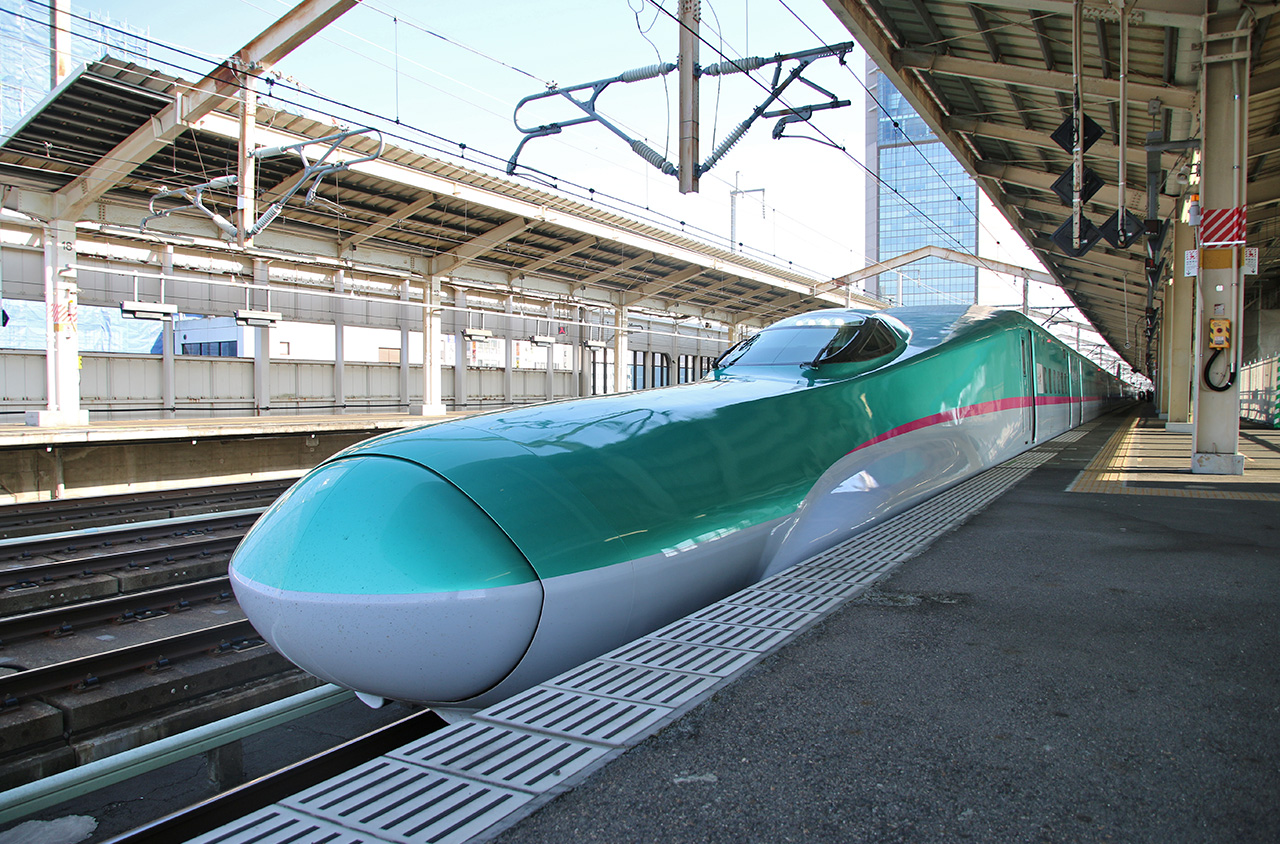
The Hokuriku line and the Joetsu line operate over Tohoku line tracks between Tokyo and Omiya, then both separate at Takasaki. The Hokuriku line continues to Nagano and Joetsumyoko, whereas the Joetsu line continues to Niigata.
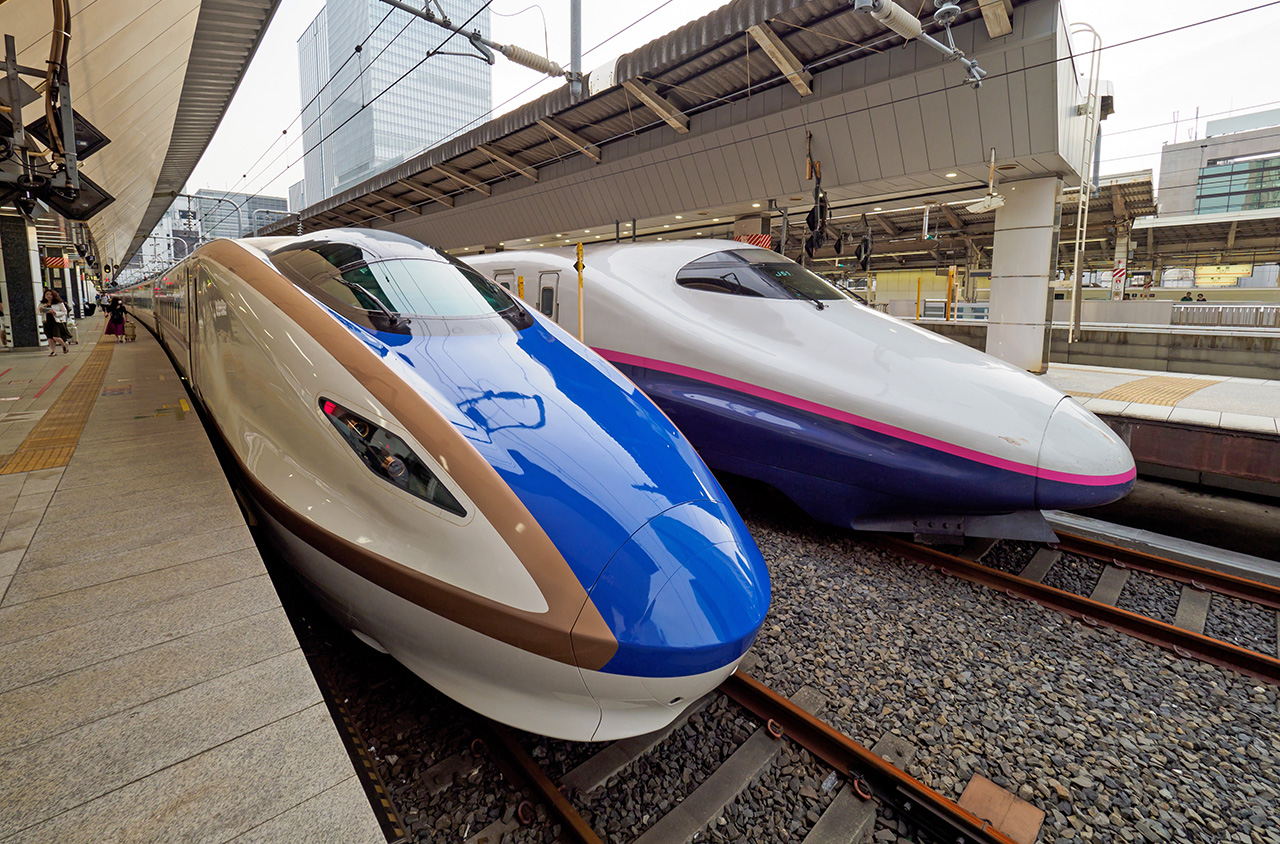
Shinkansen trains are designated by a code name that identifies the class of service followed by one to three numerals. The fast services stop only at key stations, the semi-fast services stop at the major stations, and the local services stop at all stations:
- - In the Tohoku line, HAYABUSA is the fast service, YAMABIKO is the semi-fast service and NASUNO is the local service.
- - In the Akita line, KOMACHI is the fast service between Tokyo and Morioka, as well as the local service between Morioka and Akita.
- - In the Yamagata line, TSUBASA is the semi-fast service between Tokyo and Fukushima, as well as the local service between Fukushima and Shinjo.
- - In the Joetsu line, TOKI is the semi-fast service and TANIGAWA is the local service.
- - In the Hokuriku line, KAGAYAKI is the fast service, HAKUTAKA is the semi-fast service and TSURUGI is the local service.
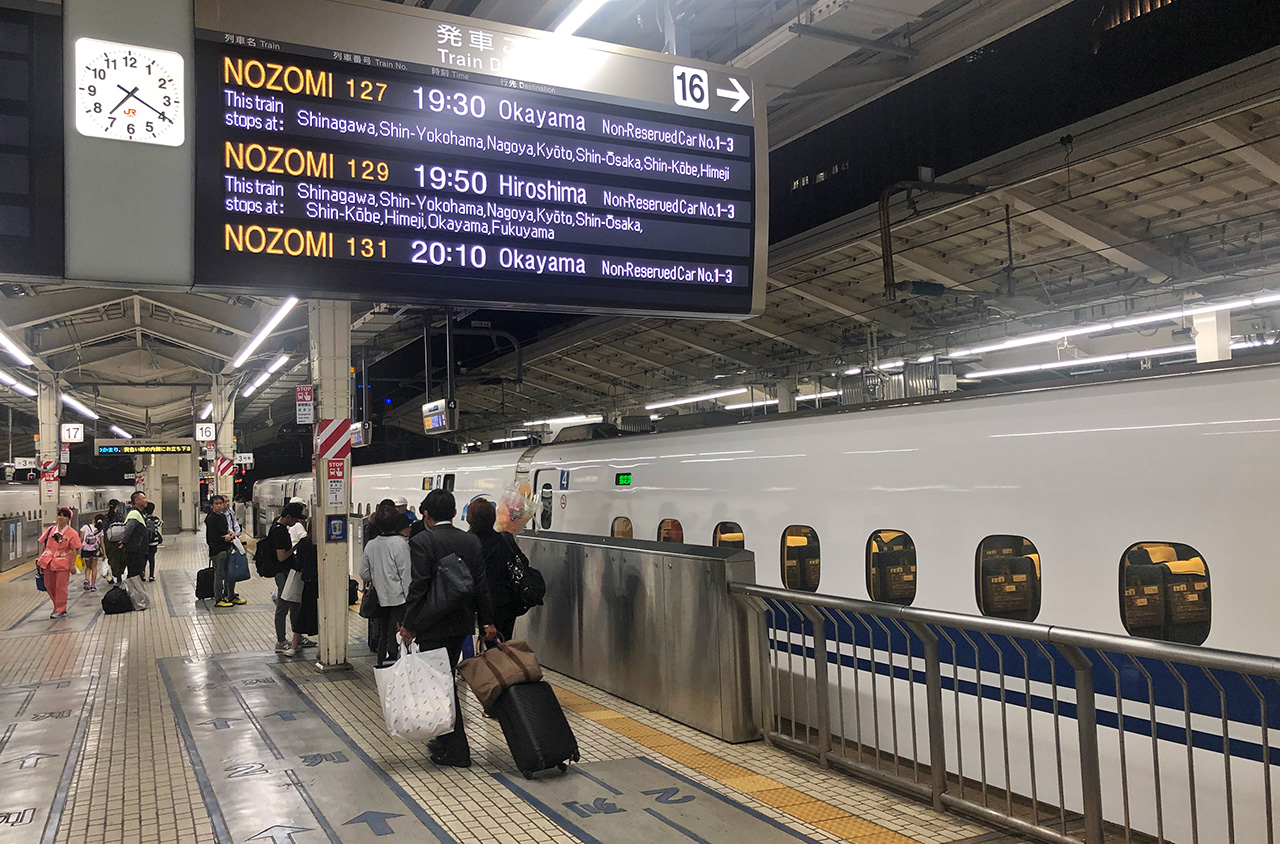
Shinkansen trains are powered by electric multiple units and can carry up to 16 cars per train, arranged in Green Car with business class seats that require advanced reservation and Ordinary Car with standard class seats distributed in Reserved and Non-reserved.
In total, the Shinkansen trains offer three passengers classes: Green Car Seat, Reserved Seat and Non-reserved Seat.
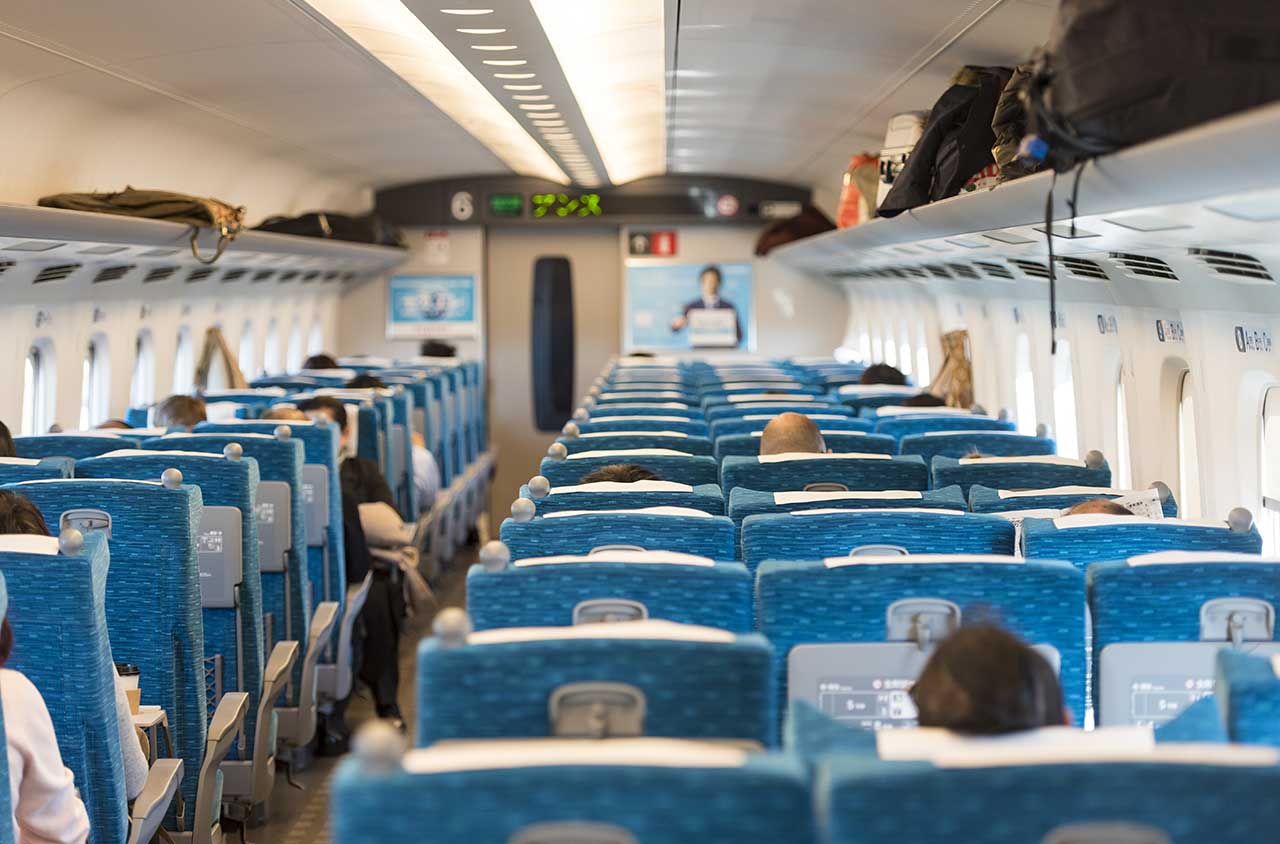
Travellers with Reserved Seat tickets are required to take their numbered seat in the Green Cars or the Ordinary Cars. Travellers with Non-reserved Seat tickets are allowed to take any seat available in the Ordinary Cars designated as Non-reserved. On these cars, seating is on a first-come, first-served basis. When all the seats are full, passengers must travel standing on the corridor or the coach entrance without blocking the access to other passengers.
Limited Express conventional rail
JR East operates many intercity and regional lines with trains running on conventional rail at a maximum speed of 130-160 km/h.
Given the limited coverage of the Shinkansen network, passengers may need to use conventional trains to reach certain areas of eastern Japan or travel directly between two cities.
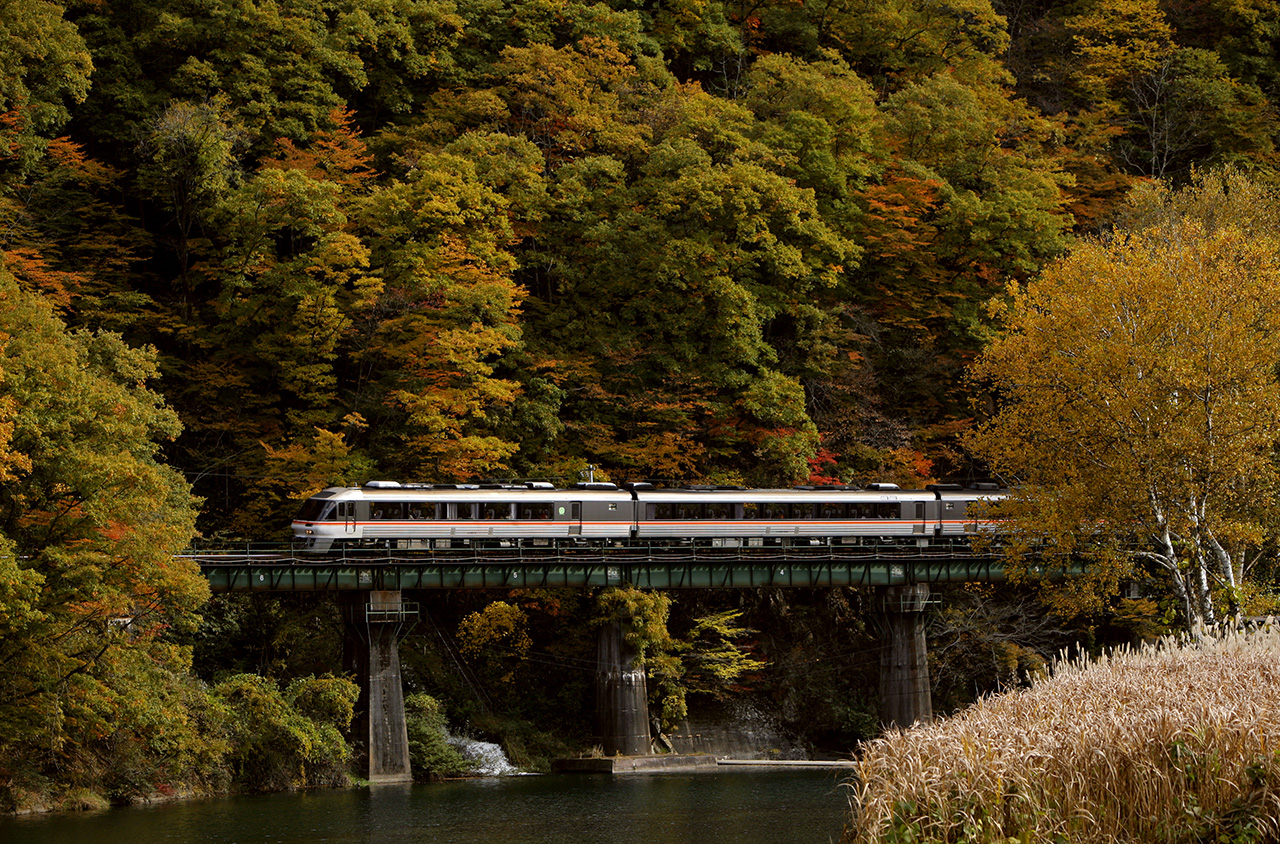
Conventional rail services are classified depending on the stop pattern:
- - Limited Express is the fastest service
- - Express is a semi-fast service stopping at major stations
- - Rapid is a fast service stopping at most stations
- - Local is a slow service stopping at all stations
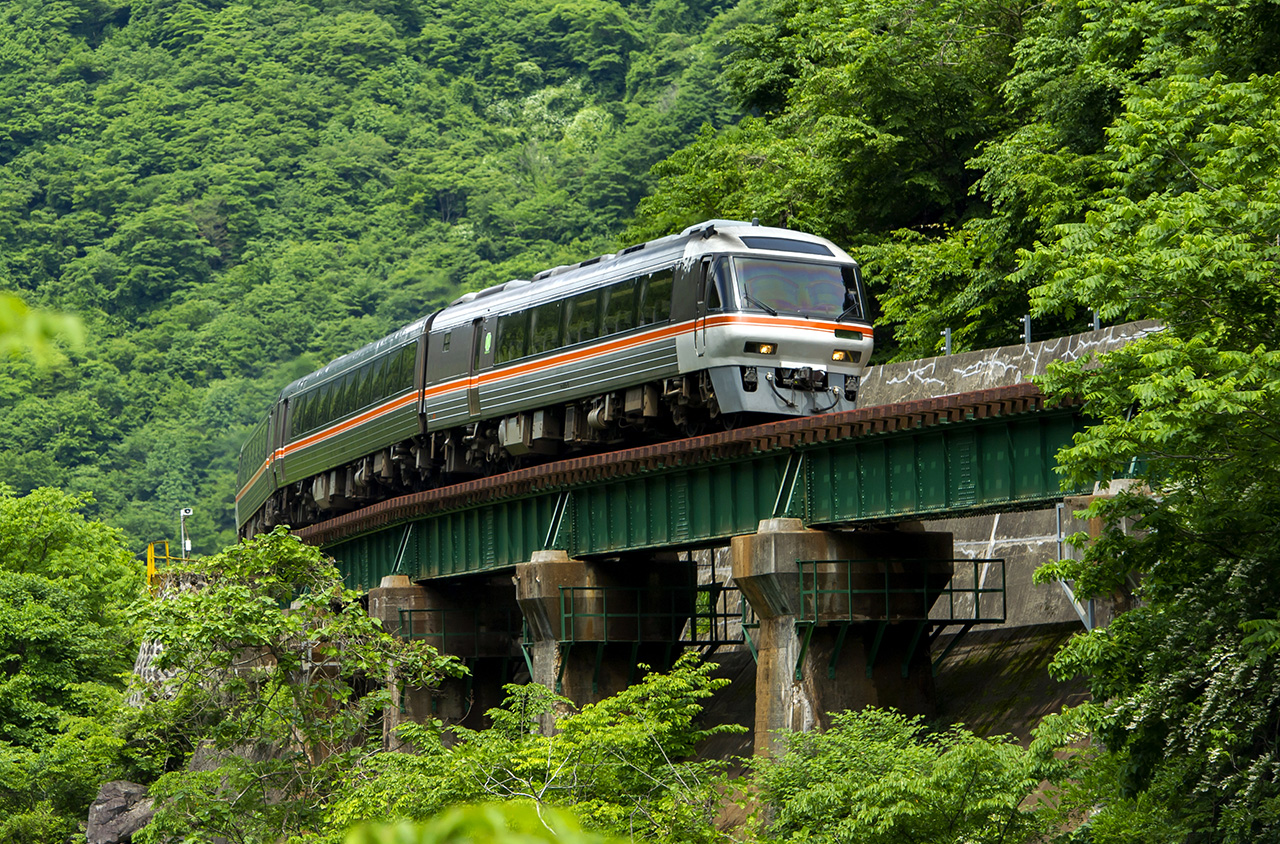
When travelling on conventional rail, the standard ticket depends on the travel distance and it is the same for all the trains regardless of the number of stops or transfers. The standard ticket allows the passenger to access the platform and board Limited Express trains as well as Express, Rapid or Local trains.
On Limited Express trains, passengers can travel on Non-reserved Seat or Reserved Seat. In case of travelling with Reserved Seat, passengers are required an extra ticket for the Reserved Seat, which is purchased separately from the standard ticket and is inspected by the train conductor on board.
In total, the Limited Express trains offer three passengers classes: Green Car Seat, Reserved Seat and Non-reserved Seat.
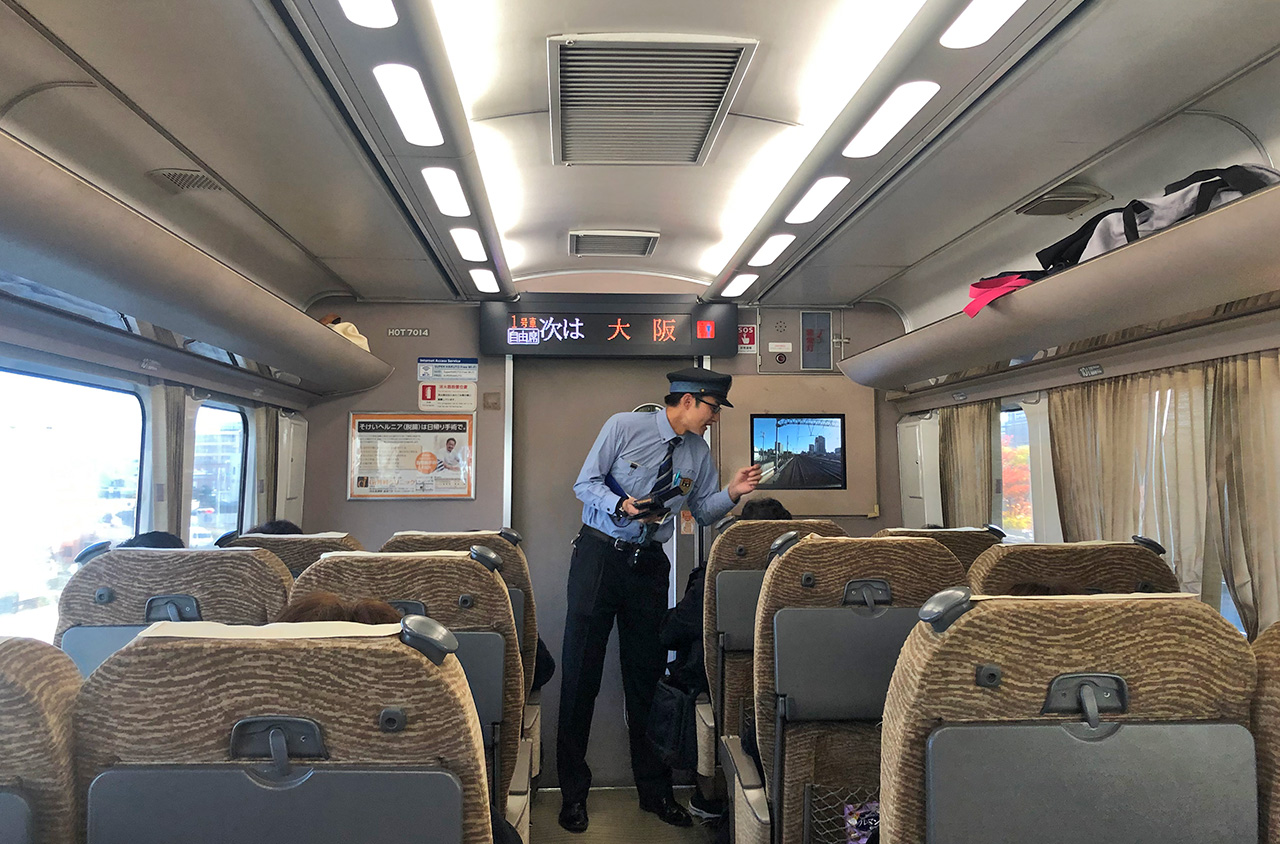
Travellers with Reserved Seat tickets are required to take their numbered seat in the Green Cars or the Ordinary Cars. Travellers with Non-reserved Seat tickets are allowed to take any seat available in the Ordinary Cars designated as Non-reserved. On these cars, seating is on a first-come, first-served basis. When all the seats are full, passengers must travel standing on the corridor or the coach entrance without blocking the access to other passengers.
On Express, Rapid and Local trains, passengers can travel on Non-reserved Seat.
Getting around Japan by train
The JR East Nagano-Niigata Area Pass is valid for unlimited travel in the available area: Gunma, Tochigi, Ibaraki, Saitama, Tokyo, Chiba and Kanagawa prefectures in Kanto region; Yamanashi, Nagano, Niigata prefectures and Izu Peninsula in Chubu region.
Travel with JR East Nagano-Niigata Area Pass
Passengers can travel on Shinkansen trains, Limited Express trains, as well as Express, Rapid or Local trains in the available area for 5 consecutive days.
The rail pass reservation is available 3 months in advance.
 Tohoku Shinkansen serving Tokyo and Utsunomiya
| Stations | HAYABUSA | YAMABIKO | NASUNO |
| Tokyo | |||
| Ueno | |||
| Omiya | |||
| Oyama | — | ||
| Utsunomiya | — | ||
| Nasushiobara | — |
All trains stop, Some trains stop, — Trains do not stop
| Stations | TOKI | TANIGAWA |
| Tokyo | ||
| Ueno | ||
| Omiya | ||
| Kumagaya | ||
| Honjo-Waseda | ||
| Takasaki | ||
| Jomo-Kogen | ||
| Echigo-Yuzawa | ||
| Urasa | ||
| Nagaoka | ||
| Tsubamesanjo | ||
| Niigata |
All trains stop, Some trains stop, — Trains do not stop
| Stations | KAGAYAKI | HAKUTAKA | ASAMA |
| Tokyo | |||
| Ueno | |||
| Omiya | |||
| Kumagaya | — | — | |
| Honjo-Waseda | — | — | |
| Takasaki | — | ||
| Annaka-Haruna | — | ||
| Karuizawa | — | ||
| Sakudaira | — | ||
| Ueda | — | ||
| Nagano | |||
| Iiyama | — | ||
| Joetsumyoko | — |
All trains stop, Some trains stop, — Trains do not stop
| Stations | TSUGARU | INAHO | SHIRAYUKI |
| Aomori | |||
| Akita | |||
| Niigata | |||
| Joetsu |
All trains stop, Some trains stop, — Trains do not stop
| Stations | NIKKO | KINUGAWA |
| Shinjuku | ||
| Ikebukuro | ||
| Omiya | ||
| Tochigi | ||
| Shimo-Imaichi | ||
| Tobu-Nikko | ||
| Kinugawa-Onsen |
All trains stop, Some trains stop, — Trains do not stop
| Stations | AZUSA |
| Tokyo | |
| Shinjuku | |
| Tachikawa | |
| Hachioji | |
| Otsuki | |
| Kofu | |
| Nirasaki | |
| Chino | |
| Kami-Suwa | |
| Okaya | |
| Shiojiri | |
| Matsumoto |
All trains stop, Some trains stop, — Trains do not stop
| Stations | SHINANO |
| Shiojiri | |
| Matsumoto | |
| Akashina | |
| Hijiri-Kogen | |
| Shinonoi | |
| Nagano |
All trains stop, Some trains stop, — Trains do not stop
| Stations | ODORIKO |
| Tokyo | |
| Shinagawa | |
| Kawasaki | |
| Yokohama | |
| Ofuna | |
| Odawara | |
| Yugawara | |
| Atami | |
| Ajiro | |
| Ito | |
| Izu-Kogen | |
| Izu-Atagawa | |
| Izu-Inatori | |
| Kawazu | |
| Izukyu Shimoda |
All trains stop, Some trains stop, — Trains do not stop
| Stations | SHONAN |
| Shinjuku | |
| Shibuya | |
| Osaki | |
| Tokyo | |
| Shimbashi | |
| Shinagawa | |
| Ofuna | |
| Fujisawa | |
| Tsujido | |
| Chigasaki | |
| Hiratsuka | |
| Ninomiya | |
| Kozu | |
| Odawara |
All trains stop, Some trains stop, — Trains do not stop
The rail pass is not valid for the following trains:
 Tokaido Shinkansen serving Tokyo, Yokohama, Nagoya, Kyoto and Osaka
Destinations
Eastern Japan is divided into three regions: Tohoku, Kanto and Chubu.
Kanto region
Kanto region comprises Gunma, Tochigi, Ibaraki, Saitama, Tokyo, Chiba and Kanagawa prefectures. This region is served by the Tohoku Shinkansen, the Joetsu Shinkansen, the Hokuriku Shinkansen and the Limited Express trains operated by JR East.
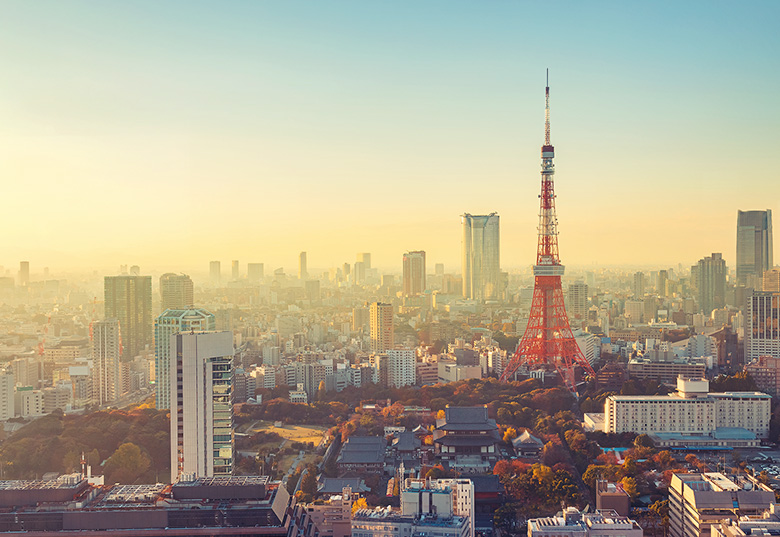
Train routes to Tokyo
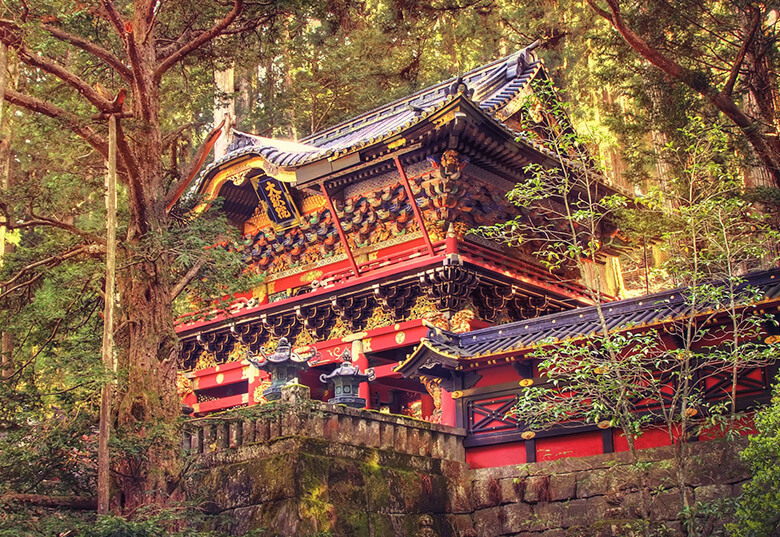
Train routes to Nikko and Kinugawa
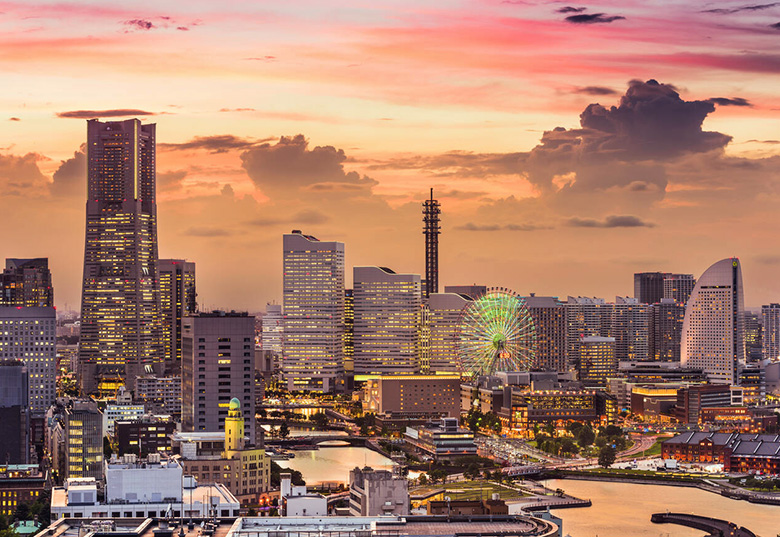
Train routes to Yokohama
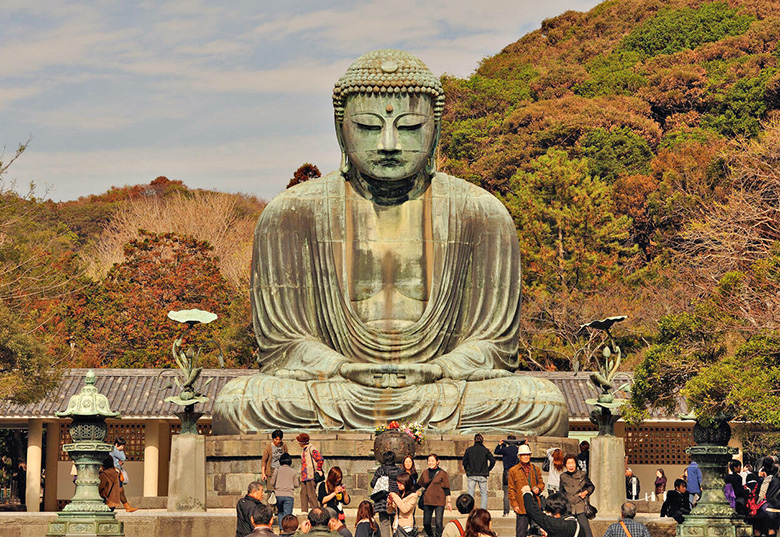
Train routes to Kamakura
Hokuriku region
Hokuriku region comprises Fukui, Ishikawa, Toyama, Nagano and Niigata prefectures. This region is served by the Joetsu Shinkansen, the Hokuriku Shinkansen and the Limited Express trains operated by JR East.
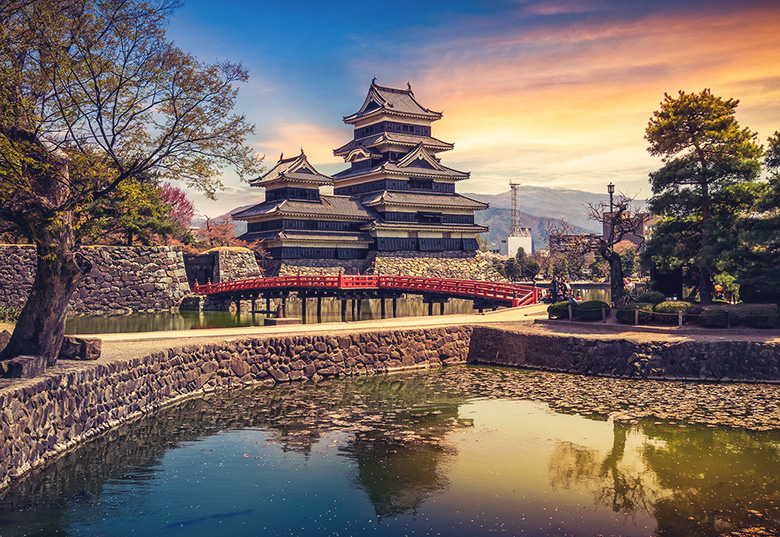
Train routes to Matsumoto

Train routes to Nagano
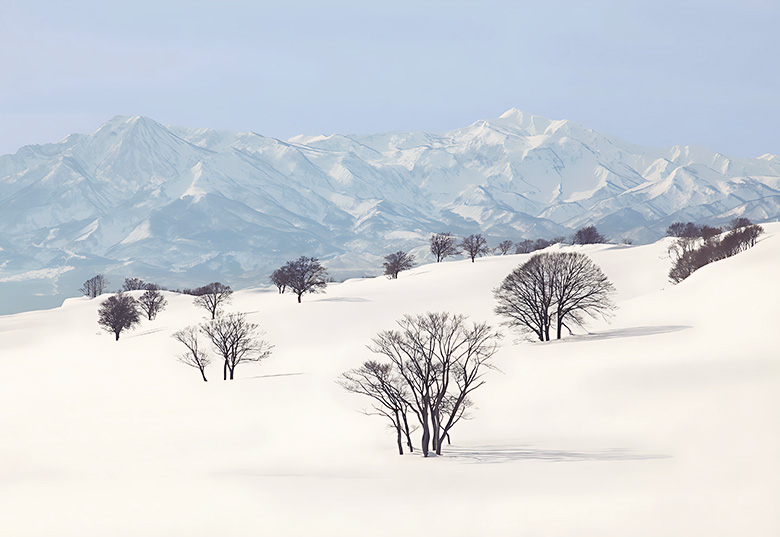
Train routes to Niigata
How to book your rail pass in Japan?
If you are planning a trip to Japan and you want to visit many destinations, purchasing a rail pass is a great way to simplify your travel and save money. This option is cheaper than buying individual train tickets and more flexible as you can plan your itinerary on the go.
We facilitate the purchase of different rail pass with JR East valid for unlimited travel in Tohoku, Kanto and Chubu regions.
Passengers can travel on Shinkansen trains, Limited Express trains, as well as Express, Rapid or Local trains in the available area for a number of consecutive days.
Select your rail pass
Find the rail pass available for your itinerary and select the most convenient option according to the duration of your journey.
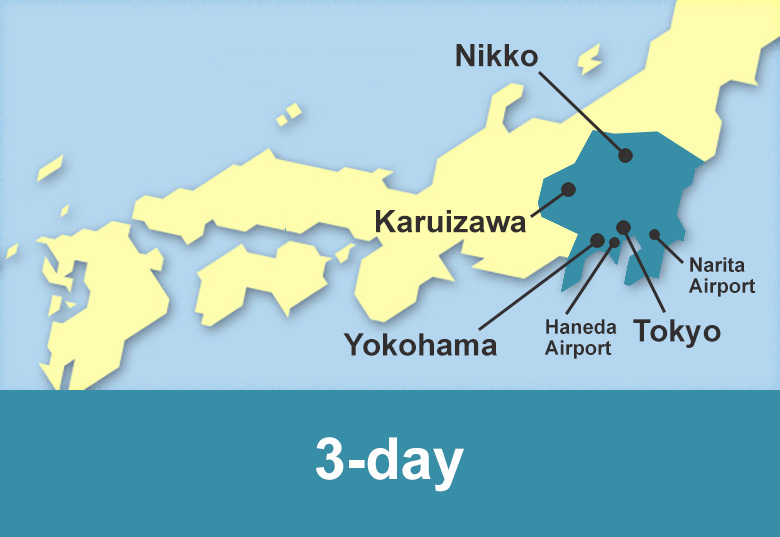
Tokyo WIDE Area Pass (3-day)
Passengers can travel on Shinkansen and Limited Express trains, as well as Express, Rapid or Local trains in the available area for 3 consecutive days.
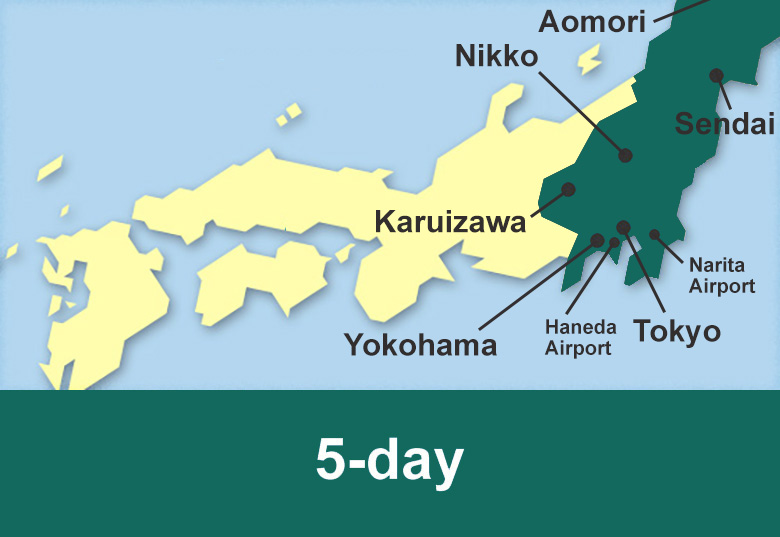
Tohoku Area Pass (5-day)
Passengers can travel on Shinkansen and Limited Express trains, as well as Express, Rapid or Local trains in the available area for 5 consecutive days.
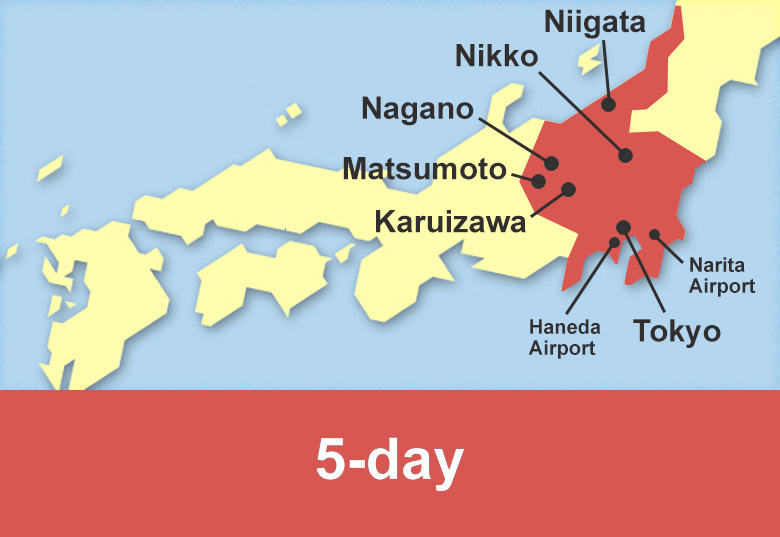
Nagano-Niigata Area Pass (5-day)
Passengers can travel on Shinkansen and Limited Express trains, as well as Express, Rapid or Local trains in the available area for 5 consecutive days.
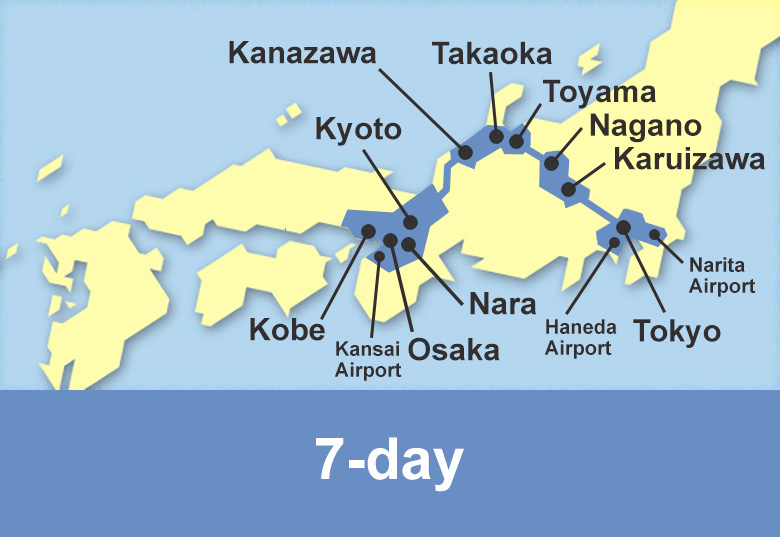
Hokuriku Arch Pass (7-day)
Passengers can travel on Shinkansen and Limited Express trains, as well as Express, Rapid or Local trains in the available area for 7 consecutive days.
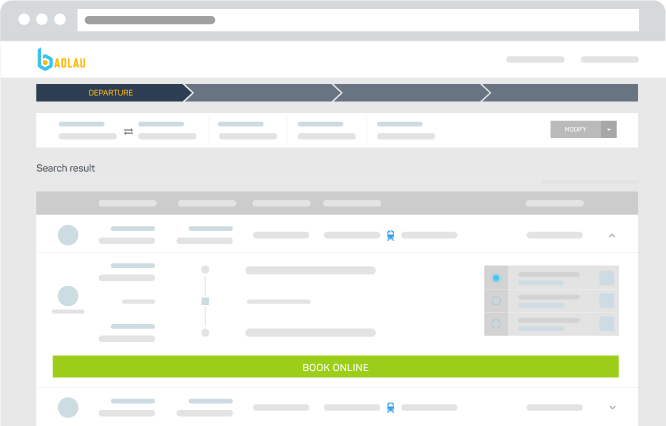
We accept rail pass reservations from 3 months in advance up to 24 hours before departure. For departures under 24 hours, tickets must be reserved directly at the station.
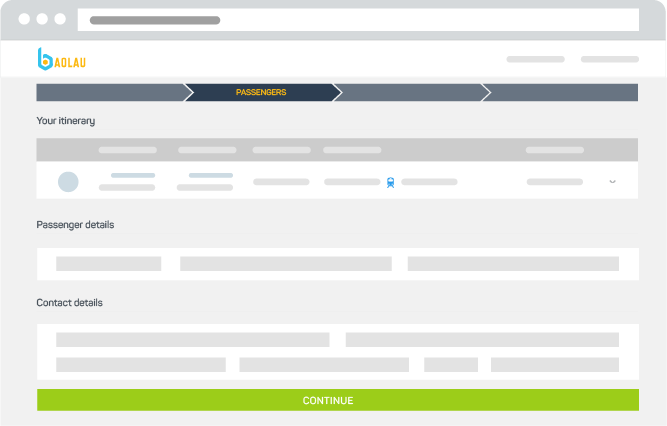
Fill in the passenger and contact details
According to the policy of JR East, the passenger must meet the following criteria for rail pass reservation.
Passenger must hold a passport issued by a foreign government
− Japanese nationals are not allowed to use this rail pass for tourists.
In case you meet the criteria of eligibility, please provide the passenger information and the contact details of the person responsible for booking. We will send by email the booking confirmation as well as the exchange order (E-TICKET) or the receipt of the delivery of the mail exchange order (MCO), depending on the type of rail pass.
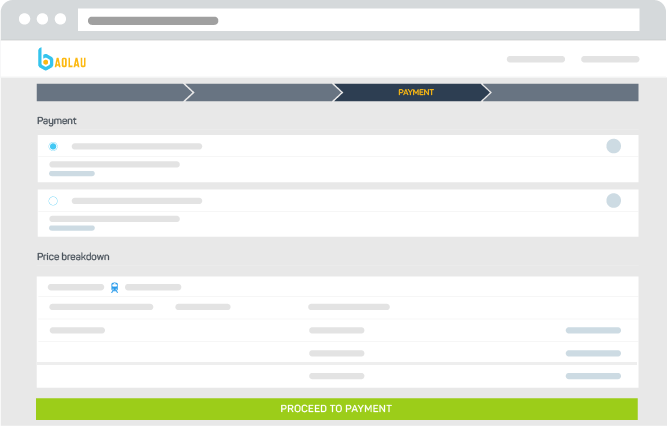
Complete your payment
Select your payment method. We accept international credit or debit cards.
Check your itinerary and price breakdown. Confirm that the booking information is correct. Before you proceed to payment, you must read and accept the terms and conditions of booking.
Receive your electronic ticket by email
Once your payment is complete, your reservation will be processed.
In the following 24 hours you will receive the itinerary and booking confirmation by email.
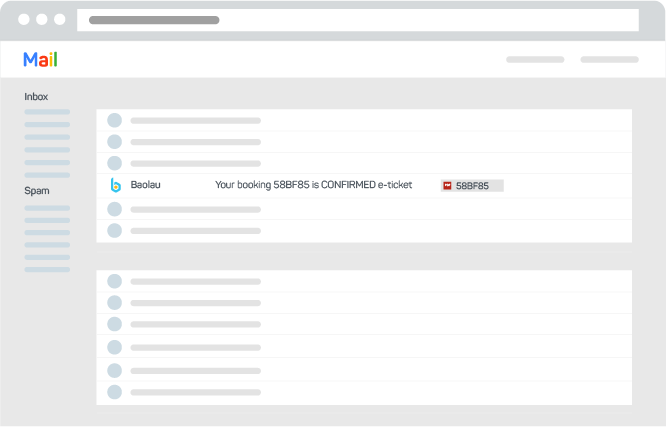
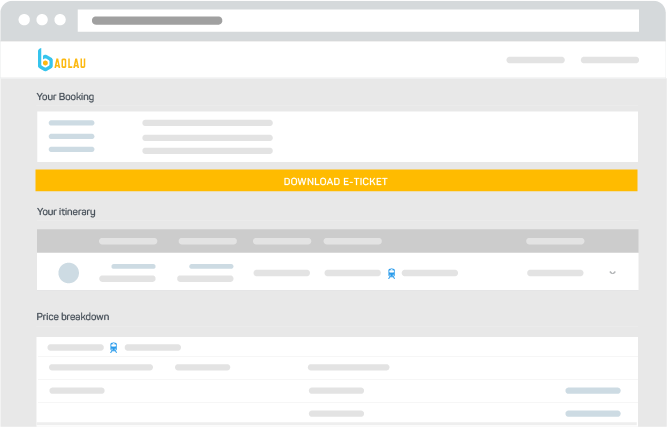
You can also access to Manage your booking via web and download the exchange order (E-TICKET) or the receipt of the delivery of the mail exchange order (MCO) to your device.
How to use the rail pass?
The exchange order is valid to collect the rail pass at the station. It cannot be used to board the train.
After arriving in Japan, passengers can collect the rail pass by scanning the passport and the QR code included in the exchange order (E-TICKET) at the ticket vending machines or presenting the passport and the mail exchange order (MCO) received by post mail at the ticket office in the exchange locations, depending on the type of rail pass.
Once exchanged, the rail pass will be associated with the passport and the holder will be able to travel for a number of consecutive days according to the validity indicated in the physical ticket.
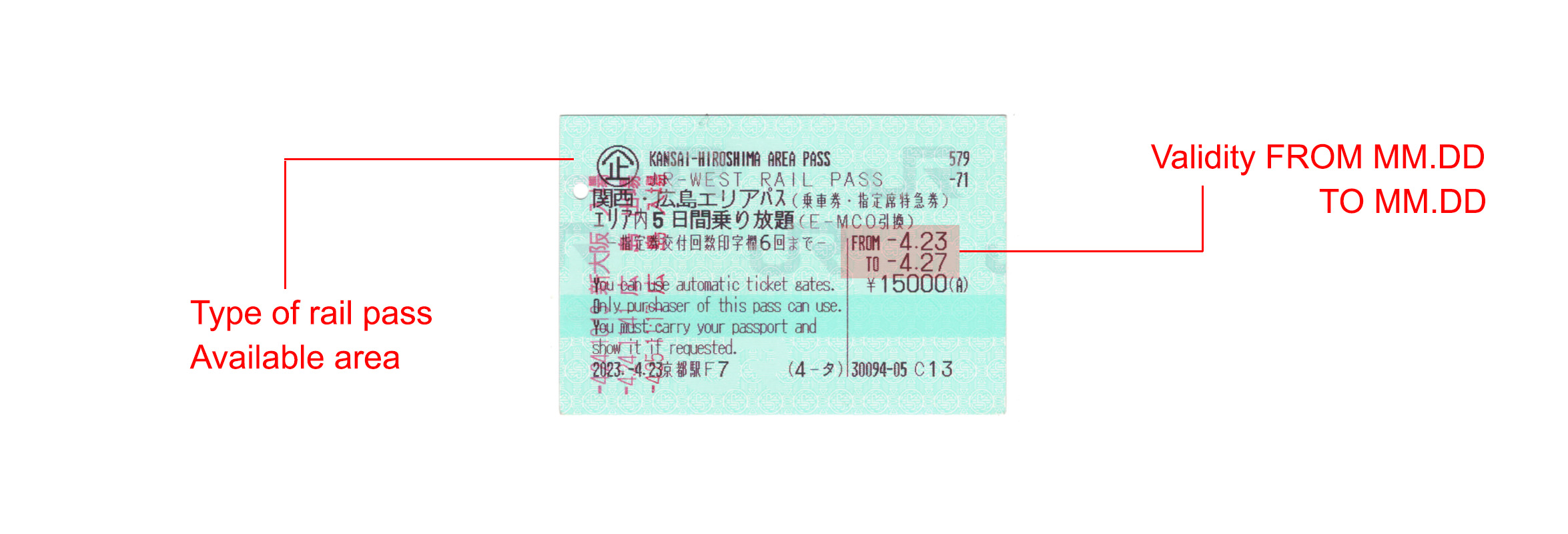
Passengers can travel on Shinkansen trains, Limited Express trains, as well as Express, Rapid or Local trains in Non-reserved Seat.
If you wish to travel in Reserved Seat, you must receive your tickets for Reserved seat from the ticket vending machine before boarding.

RECEIVE YOUR EXCHANGE ORDER
Receive your exchange order (E-TICKET) by email or receive your mail exchange order (MCO) by post mail. Remember to carry it with your passport.

PICK UP YOUR RAIL PASS
Collect the rail pass at the ticket vending machines in the station or at the ticket office in the exchange locations. To pass through the gates, insert your rail pass or show it to the station officer.

BOARD THE TRAIN
Access the platform, locate your car number corresponding to Non-reserved Seat or Reserved Seat and wait for the boarding call to board the train.